What We Do

Services

A full look at what we pour, repair, and finish, along with the details that decide how long it lasts.

HomeServices

Everything we take on

Every job below is one we do ourselves across Raleigh.

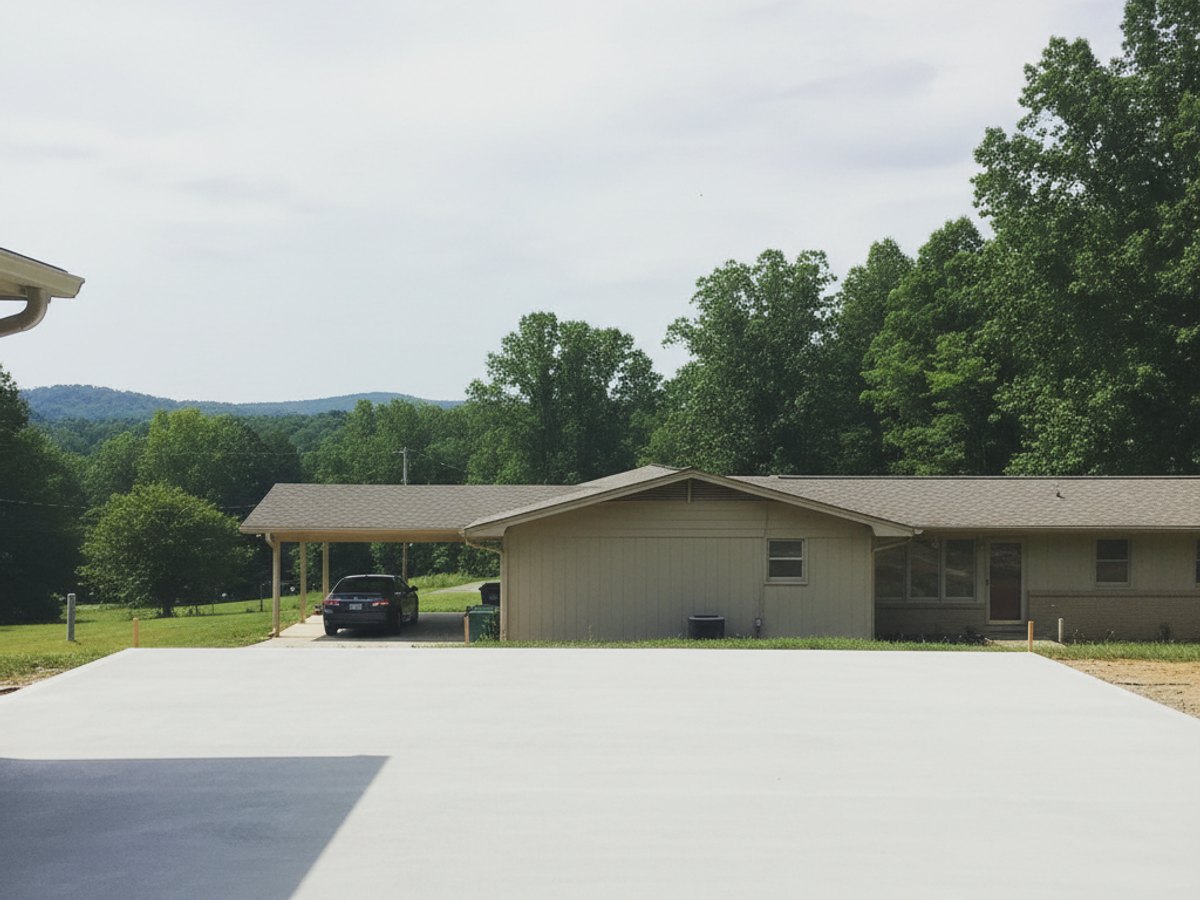
Concrete Driveways

We pour driveways at least 4 inches thick, thicker if you're parking anything heavier than a pickup on it. Rebar or wire mesh gets tied in before the pour, and we saw-cut control joints within a day so the slab cracks along the joint instead of across your new driveway. Expect to keep vehicles off it for about a week while it cures.

Concrete Patios

A patio doesn't carry the load a driveway does, so we typically run 3.5 to 4 inches with mesh reinforcement. We talk through broom finish, exposed aggregate, or stamped texture before the pour, since the finish decides how the surface handles rain and bare feet in July. Control joints go in the same day to keep cracking predictable.

Stamped Concrete

Stamped concrete gets its pattern pressed into the slab while the mix is still plastic, which means timing on pour day matters more than on a plain slab. We color it integrally or with a release agent, then seal it once cured so the color and texture hold up under sun and foot traffic. It costs more than a plain broom finish, but it replaces the look of pavers without individual joints for weeds to grow through.

Concrete Repair

Not every crack means the slab needs to come out. We patch surface spalling and popouts, mudjack or foam-lift a sunken section back to grade, and only recommend a full tear-out when the slab has broken into pieces or the subgrade underneath has failed. If a driveway's just got cosmetic cracking, we'll tell you that instead of selling you a new pour.

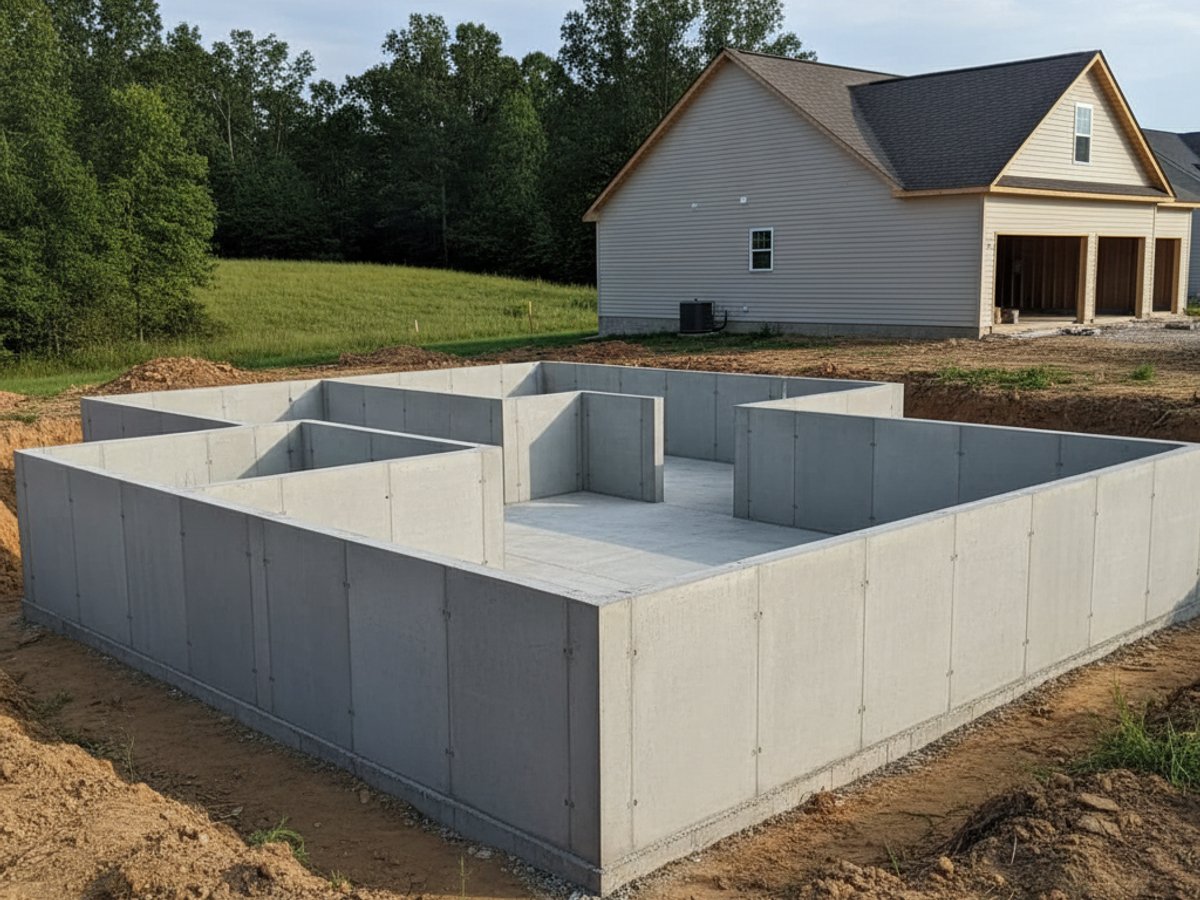
Concrete Slab Foundations

For a shed, garage, or addition, we lay out the slab to the dimensions the structure calls for, set a vapor barrier if the building will be conditioned space, and place rebar or mesh based on what's going on top of it. We check local building codes on thickness and reinforcement before the pour, not after the inspector shows up.

Concrete Sidewalks

We pour sidewalks with a slight cross-slope so water runs off toward the yard instead of pooling in the middle. Control joints go in every 4 to 5 feet to match the slab width, which keeps a long run of sidewalk from cracking in a straight diagonal line across multiple panels.

Concrete Steps & Porches

Steps and porch slabs take a beating from foot traffic and the odd hard freeze, so we reinforce them and finish the tread surface with enough texture to stay grippy when it's wet. We match the rise and run to code so the steps don't feel off underfoot.

Concrete Pool Decks

A pool deck sits in standing water and sun more than almost any other slab on your property, so we finish it with a broom or knockdown texture that stays slip-resistant when wet. We also slope it away from the pool coping so splash-out drains instead of sitting on the concrete.

Retaining Walls

On a sloped lot, a retaining wall holds the soil back so it doesn't wash out onto a patio or driveway after a hard rain. We build with poured concrete or block depending on wall height and the load behind it, and we always work in drainage so water pressure doesn't build up and push the wall over.

Concrete Resurfacing

If a driveway or patio is structurally sound but the surface is worn, pitted, or stained, we can resurface it with a bonded overlay instead of tearing it out. It won't fix a slab that's cracked through or settled unevenly, but for surface wear it's a cheaper fix than a full replacement.

How It Works

Four steps, and no surprises in any of them.

01

We come and look

You tell us what you want doing, we look at what is actually there, and we ask the awkward questions early.

02

You get a price

In writing, itemised, free. If something might add cost later we flag it now rather than at the end.

03

We do the work

Same crew throughout. We cover your floors, keep the dust down and tidy up before we leave each day.

04

We walk it with you

You point out anything you are not happy with and we fix it before the invoice, not after.

Where We Work

All of this, across Raleigh, NC

Site conditions vary town to town, and our crew has poured in most of them.

Raleigh, NC
Durham, NC
Cary, NC
Chapel Hill, NC
Apex, NC
Wake Forest, NC
Holly Springs, NC
Garner, NC
Clayton, NC
Knightdale, NC
Smithfield, NC
Common Questions

Things worth asking

The questions that come up once a concrete project actually gets underway.

Do I need a permit for a new driveway or patio?
Many municipalities require a permit for a new driveway apron where it meets the street, and some require one for a patio or slab over a certain square footage, though rules vary by city and county. A concrete contractor familiar with local Raleigh-area codes can identify which parts of a project need a permit before the pour is scheduled.
How long does it take to pour and finish a concrete driveway?
A standard residential driveway can usually be formed, poured, and finished in one to two days, though the concrete needs about a week before it can handle vehicle traffic and closer to a month to reach full strength. Larger driveways or ones needing significant grading beforehand take longer.
Can you work with a fixed budget?
A concrete contractor can adjust the scope of a project to fit a budget by changing the finish, reducing the square footage, or phasing the work, such as pouring the driveway now and the patio next season. Stating the budget upfront lets the quote reflect real trade-offs instead of surprises later.
Do you guarantee your concrete work?
Most concrete contractors stand behind their work against defects in the pour itself, such as improper curing or reinforcement, for a set period after completion, though this typically doesn't cover cracking caused by ground movement outside the contractor's control. Ask what the written guarantee specifically covers before signing.
Who will I be dealing with during the job?
On most residential concrete jobs, a homeowner deals directly with the crew lead or contractor who gave the quote, rather than a separate office contact, since the same person usually handles both scheduling and questions during the pour. This makes it easier to get quick answers if weather or site conditions change mid-project.
What kind of concrete mix do you use?
Residential concrete driveways and patios typically use a mix rated around 3,500 to 4,000 PSI, with higher strength mixes used for areas that will see heavier vehicle loads. The mix design also affects how long the concrete needs to cure before it can be walked or driven on.
Can I still use my driveway or yard while the work is happening?
A driveway or patio under construction is typically unusable for vehicle or foot traffic for at least several days after the pour while it cures, so alternate parking or access should be planned in advance. Homeowners can usually continue living in the house normally, since concrete work happens entirely outside.
What do I need to do to prepare the site before you arrive?
Preparing a site for a concrete pour usually means clearing the area of furniture, vehicles, sprinkler heads, and any landscaping in the way, since excavation and grading need clear access. A contractor will typically confirm utility lines are marked before digging near a new driveway or patio footprint.
What happens if you find a problem once digging starts?
Unexpected issues like buried tree roots, old broken concrete, unstable clay soil, or a shallow utility line sometimes turn up once excavation for a new slab begins, and a reputable concrete contractor flags the issue and discusses options before pouring over it. This can add cost or a short delay, but pouring over a bad subgrade just moves the problem underground.
How do I take care of new concrete after it's poured?
New concrete should be kept off vehicle traffic for about a week and free of de-icing salt for at least the first winter, since salt applied too early can cause surface scaling. Sealing a driveway or patio every couple of years helps protect the surface from stains and freeze-thaw damage over the long run.

Not sure what you need?

Describe the problem and we will tell you what it probably is. No obligation.
Call (252) 651-5710